
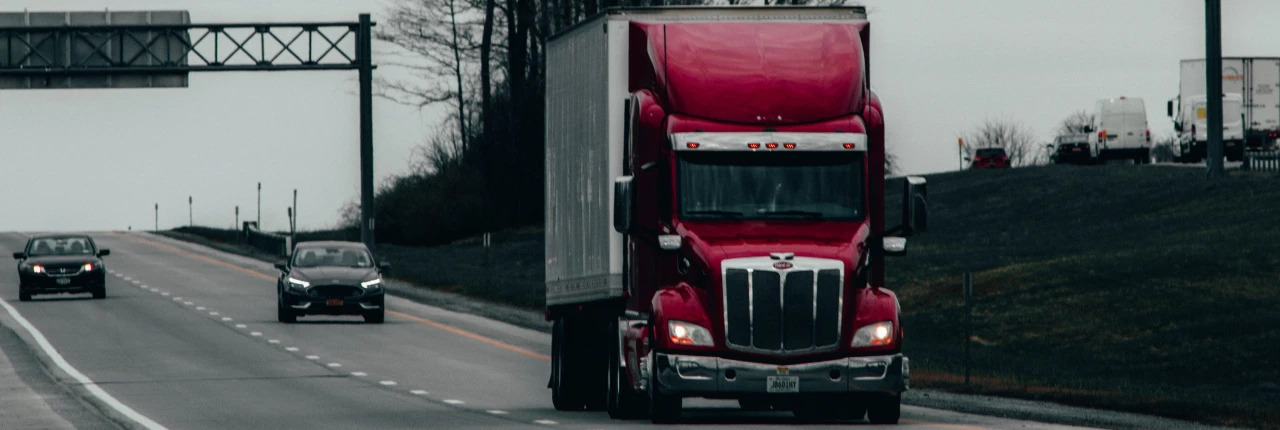

Truck accidents are among the most serious crashes on California roads. The sheer size and weight of semi-trucks and commercial vehicles can leave victims with devastating injuries, totaled vehicles, and asking what to do after a truck accident.
The steps you take will impact your ability to protect your rights and recover compensation for your injuries. You need a California truck accident attorney to guide you.
Since 1984, Wells Call Injury Lawyers has helped people across California protect their rights after serious crashes. We offer bilingual services in English and Spanish, and you’ll always work directly with an attorney, not just a case manager. If you’re unsure what to do after a wreck, our experienced team can help you every step of the way.
Key Takeaways
- Truck accident value is driven by injuries + proof (medical records, evidence, and liability).
- Future care and lost earning capacity matter, especially in severe injury or disability cases.
- Coverage and responsible parties can change the ceiling—truck cases may involve multiple liable parties and layered insurance.
- Settling too early can cost you if your diagnosis, treatment plan, or long-term effects aren’t clear yet.
What Should I Do After a Semi Truck Accident?
In the chaotic moments that follow a truck accident, the actions you take are vital to your physical recovery and your ability to pursue compensation. Below, we outline the most important steps to take after a truck accident in California to protect your health, rights, and future.
1. Prioritize Safety
If your vehicle is drivable, pull over to a safe area away from traffic. Turn on your hazard lights and check yourself and passengers for injuries. If anyone is seriously hurt, don’t try to move them and wait for emergency responders.
2. Call Law Enforcement
Always contact the police after a truck accident in California. The responding officers will assess the scene, speak with everyone involved, and file an official accident report.
This report may include information on fault, witness statements, road conditions, and violations—details that could prove crucial down the line. Make sure you ask how to obtain a copy of the report for your records.
3. Seek Medical Attention
Get medical attention quickly. Even if you feel okay, adrenaline can mask symptoms. Symptoms like back pain, internal bleeding, or brain trauma might appear later.
Records from your doctor will support your future claim. Delays in treatment can hurt both your health and case. Prioritizing safety not only protects you but also helps prevent secondary collisions.
4. Document the Scene
Take photos and videos of the scene from several angles. Capture the vehicles, injuries, road, and weather conditions. These visuals can prove what happened. If you can’t do it, ask someone nearby for help.
5. Talk to Witnesses
Eyewitnesses can offer independent accounts of what happened, especially if fault is contested. Ask anyone nearby if they saw the crash and would be willing to give a statement later. Get their name, phone number, and a brief note about what they observed. Their testimony can support your version of events and make a difference in how insurance companies or courts assess your claim.
6. Don’t Admit Fault
After an accident, it’s natural to feel overwhelmed or even apologetic. But it’s important not to say anything that could be misinterpreted as an admission of guilt. Don’t apologize, speculate about what happened, or accept blame. These statements can be used against you, even if you weren’t responsible.
Stick to the facts when speaking with police, other drivers, or witnesses. Let the investigation determine who was at fault.
7. Contact a Truck Accident Lawyer
Once you’ve seen a doctor and reported the crash, contact a California truck accident lawyer as soon as possible. Trucking companies often act fast to defend themselves. An attorney will preserve evidence, handle insurance claims, and guide you through your next steps.
Should I Hire a Truck Accident Lawyer?
Truck crashes often cause serious injuries and complex legal cases. Handling a claim during recovery can be overwhelming, particularly when dealing with trucking companies and insurers.
Hiring a truck accident lawyer gives you the best chance at receiving fair compensation. These cases involve extensive evidence and multiple potentially liable parties. A lawyer can handle the complexity, allowing you to focus on recovery.
Here’s why working with a truck accident attorney can make a difference:
- Investigating the accident. Attorneys know how to collect crucial evidence, such as black box data, driver logs, maintenance records, and eyewitness accounts.
- Determining liability. Multiple parties may share fault, including the driver, trucking company, cargo loaders, or maintenance contractors. Your lawyer can identify the parties responsible.
- Negotiating with insurance companies. Insurers often try to minimize payouts. A lawyer can push back and ensure you aren’t pressured into a lowball settlement.
- Calculating damages. A lawyer will account for both your current losses (like medical bills and lost wages) and future expenses, including long-term care and pain and suffering.
- Handling paperwork and deadlines. Truck accident claims involve extensive documentation, including insurance forms, court filings, and evidence submissions. A lawyer can prepare and file all required paperwork, ensuring everything is submitted before applicable deadlines, such as the two-year deadline to file your truck accident claim.
- Litigating if necessary. If a fair settlement isn’t possible, your lawyer will take your case to trial.
Knowing what to do after a truck accident is essential to preserving your legal rights and building a strong case. An experienced truck accident attorney can step in to protect you from insurance tactics and fight for the compensation you need to move forward.
Protect Yourself Before the Insurance Company Decides for You
After a California truck accident, the trucking company already has a response team working to protect its interests. What you do in the first days and weeks can shape the outcome of your claim. A quick settlement offer may feel like relief—but it often comes before the full cost of your injuries is known. We help injured people understand their options, preserve critical evidence, and avoid common mistakes. You don’t need to have everything figured out to start. One conversation can help you understand what matters and what comes next.
100% Free ConsultationGet Legal Help After a Truck Accident in California
The steps you take in the hours and days that follow a wreck can shape the rest of your recovery. From gathering evidence and getting medical attention to knowing when to involve a lawyer, understanding what to do after a semi truck accident empowers you to protect your rights and pursue fair compensation.
Wells Call Injury Lawyers has a reputation for advocacy and results. We’ve recovered over $500 million for California injury victims. And our legal team works on a contingency fee basis, so there’s no risk. You only pay us if we recover compensation for you. If we don’t win, you don’t pay us anything.
Call us now for your free consultation with a trusted truck accident attorney and take the first step toward the compensation you deserve.
What to Do After a Truck Accident in California
Truck crashes are different from regular car accidents. The steps you take after a California truck accident can affect your medical recovery, the evidence available later, and how the insurance company evaluates your claim. These FAQs cover the most important “what to do next” questions.
Prioritize safety and call 911. Get medical help, cooperate with law enforcement, and avoid arguing fault at the scene. If it’s safe, take photos/video and gather witness contact information before vehicles are moved and memories fade.
Yes. Adrenaline can mask symptoms, and some injuries worsen over time. Prompt treatment protects your health and creates documentation that connects your injuries to the truck crash.
Get the driver’s name, contact info, insurance details, and employer/trucking company information if available. Also note the truck’s identifying details (like company markings) and any witnesses who saw what happened.
Photos/video, witnesses, a crash report, and your medical records are important. Truck crashes may also involve driver logs, maintenance records, dispatch communications, and electronic data (telematics/black box data) that should be preserved quickly.
Be careful—especially with recorded statements. Adjusters may contact you early, before you know the full extent of your injuries. It’s okay to provide basic claim information and follow up once you’ve had time to assess your injuries and damages.
Truck accidents often involve more severe injuries, more complex investigations, commercial policies, and multiple companies. With more at stake, insurers often dispute liability, injury severity, and the value of the claim more aggressively.
Responsibility may include the driver, the trucking company, a maintenance provider, a cargo/loading company, or other parties. Identifying every liable party can affect how much insurance coverage is available.
Police reports are important, but they aren’t the whole case. Photos, witness statements, medical timelines, and trucking data can fill in gaps and help clarify what really happened.
Depending on the case, compensation may include medical expenses, future care, lost wages, reduced earning capacity, property damage, and non-economic losses like pain and suffering.
Consider getting guidance early if you have injuries, missed work, ongoing pain, or pressure from the trucking insurer. Early help can preserve evidence and prevent mistakes that reduce the value of a claim.
No obligation. Get clear next steps and protect your claim from day one.